Search
Rejuvenation Clinics Of Australia

Skin pigmentation

Skin Rejuvenation & Repair

Skin Pigmentation,
Sun Spots & Melasma

Pigmentation can appear as sun spots, freckles, melasma or uneven patches of skin colour. While these concerns may look similar, their underlying causes can differ — and so can the most appropriate treatment options.

At Rejuvenation Clinics of Australia, our experienced clinicians assess your individual skin concerns and recommend personalised treatment pathways designed around your skin, goals and medical history.

Consultations available at Sydney CBD and Chatswood
Woman with natural skin texture and visible facial pigmentation

Understanding Your Skin

Understanding Different Types of Skin Pigmentation

Skin pigmentation occurs when melanin, the pigment responsible for skin colour, is produced or distributed unevenly. While some changes are associated with sun exposure or genetics, others may be influenced by hormones, inflammation or underlying skin conditions. Understanding the type of pigmentation is essential because treatments suitable for one concern may not be appropriate for another.

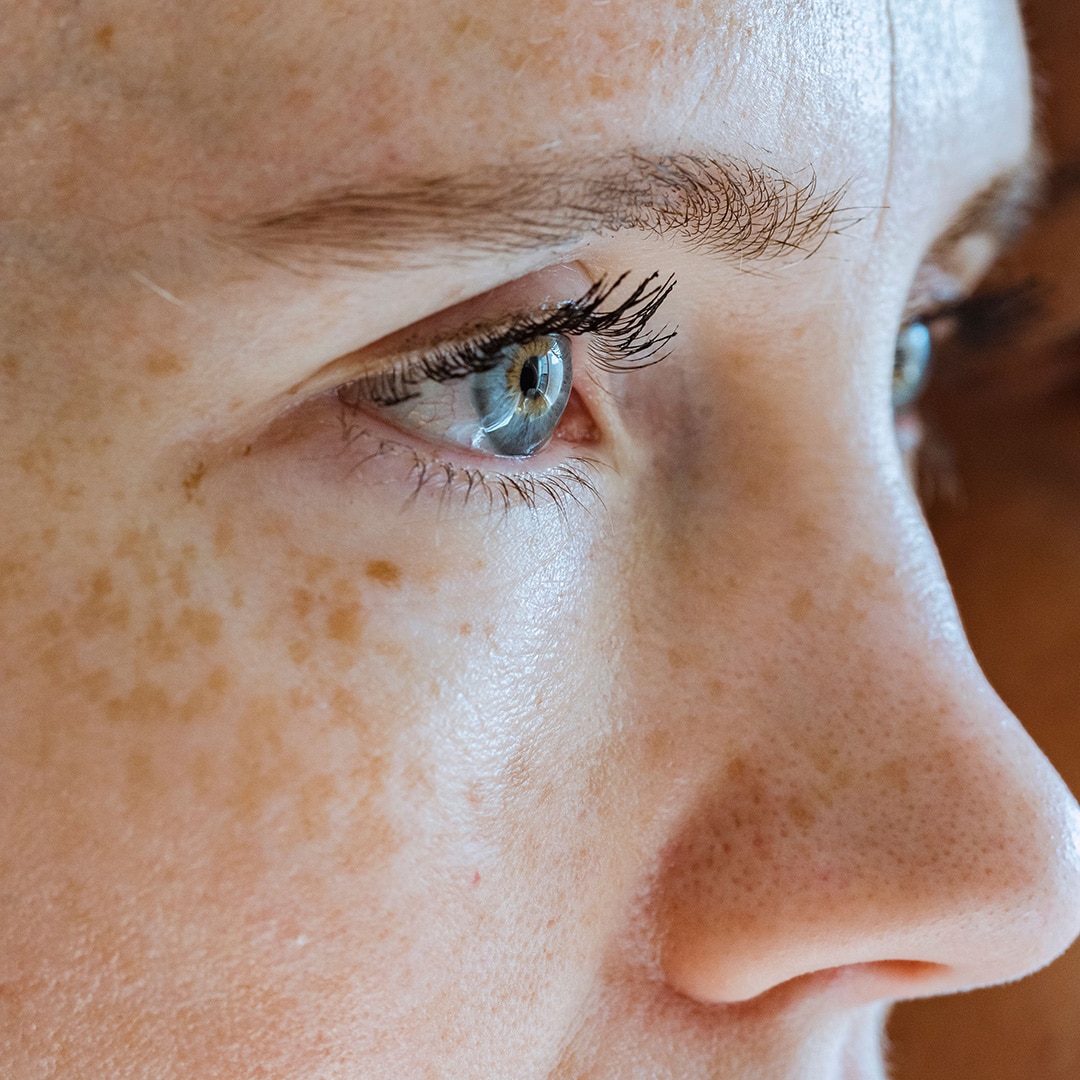
Close-up of natural skin with visible brown sun spots

Sun Spots & Age Spots

Also known as solar lentigines, these flat brown marks commonly develop on sun-exposed areas, including the face, hands and décolletage. They are associated with cumulative ultraviolet exposure and may become more noticeable with age.

Woman with natural freckles across her cheeks and nose

Freckles

Freckles are small, flat pigmented spots that commonly appear on sun-exposed skin. Genetics play an important role in their development, and they may darken with UV exposure or become less noticeable when sun exposure decreases.

Woman with visible patchy pigmentation on her cheeks

Melasma

Melasma often appears as irregular brown or grey-brown patches, particularly on the cheeks, forehead and upper lip. Hormonal influences, UV exposure and visible light can contribute to its development. It may persist or recur, making careful assessment and ongoing management important.

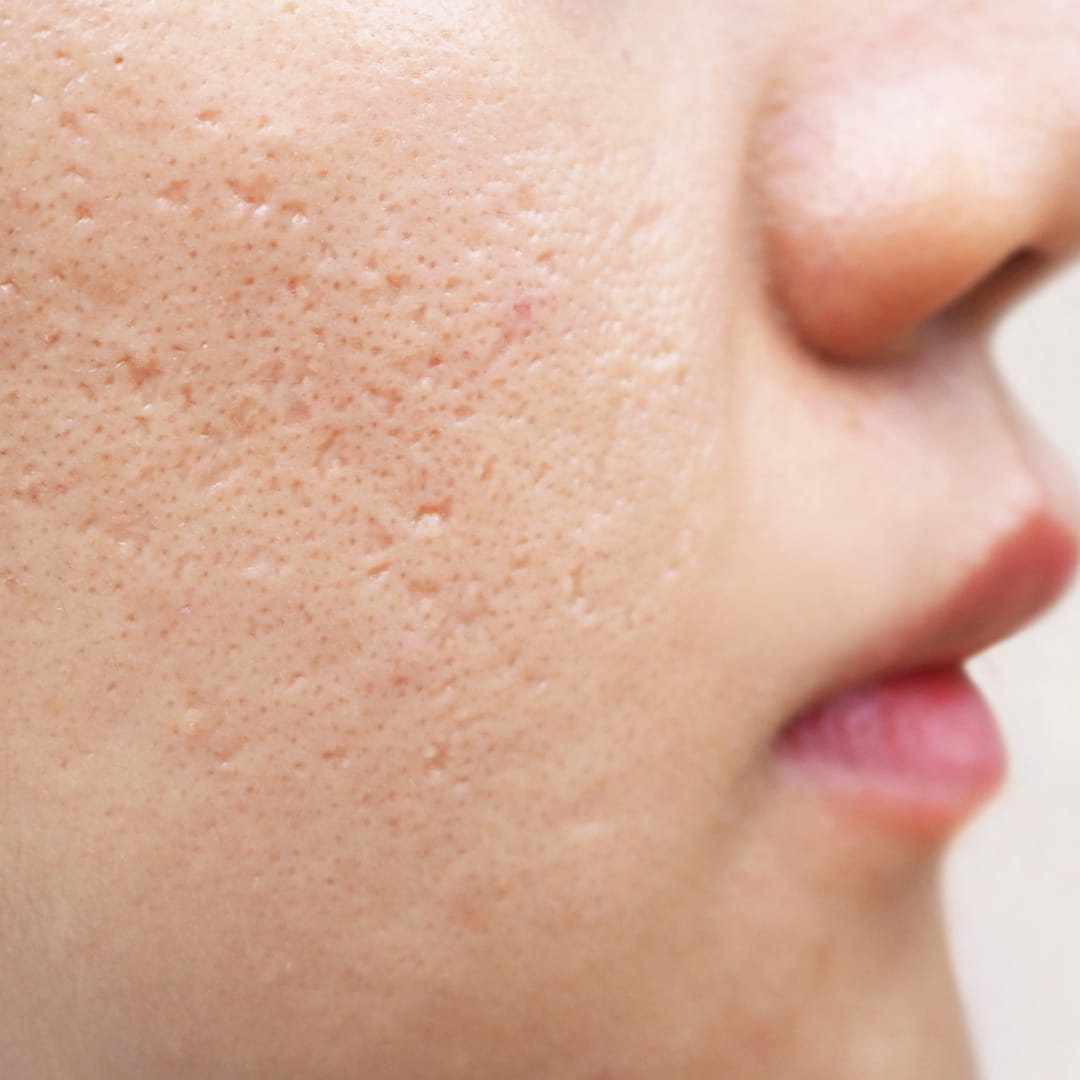
Close-up of skin with flat darker marks remaining after acne

Post-Inflammatory Hyperpigmentation

Post-inflammatory hyperpigmentation can develop after acne, irritation, injury or other inflammatory skin conditions. It appears as flat, darker marks where the skin has healed and may take time to fade. It can affect all skin tones, although it may be more noticeable or persistent in darker skin types.

Not sure what type of pigmentation you have?

Different skin concerns can look similar, and not every pigmented mark is suitable for cosmetic treatment. A professional assessment can help identify appropriate next steps. New, changing or suspicious spots should be assessed by a medical practitioner before cosmetic treatment.

Book a Consultation
Woman gently examining the skin on her cheek in natural light

Understanding the Causes

What Causes Skin Pigmentation?

Skin pigmentation develops when the production or distribution of melanin — the natural pigment that gives skin its colour — changes. Sun exposure is a common contributor, but hormonal fluctuations, inflammation, genetics and certain medications can also influence pigmentation. Understanding these factors helps clinicians distinguish between different pigmentation concerns and recommend appropriate management strategies.

Sun & UV Exposure

Ultraviolet radiation stimulates melanin production and contributes to freckles, sun spots and some forms of uneven pigmentation. Repeated exposure can make existing pigmentation more visible.

Hormonal Changes

Hormonal influences, including pregnancy and certain hormonal medications, may contribute to melasma. Sunlight and visible light can also influence its development and persistence.

Skin Inflammation & Injury

Acne, eczema, irritation and skin injuries can trigger post-inflammatory hyperpigmentation. Darker marks may remain after the original inflammation has resolved.

Genetics & Skin Type

Genetics influence freckling, pigmentation patterns and how skin responds to inflammation. Some skin types are more prone to persistent pigmentation following irritation or injury.

Medications & Other Influences

Certain medications, visible light exposure and some underlying medical conditions can contribute to changes in pigmentation. A clinician can consider these factors when assessing your skin.

Not every dark spot is cosmetic pigmentation.

New, changing, irregular or otherwise suspicious pigmented lesions should be assessed by a medical practitioner before considering cosmetic treatment.

Personalised Treatment Options

Treatment Options for Skin Pigmentation

Different types of pigmentation require different approaches. Our clinicians consider the appearance, likely cause and depth of pigmentation, alongside your skin characteristics and medical history, before discussing suitable treatment options.

Clinician performing a Pico laser skin treatment

Pigment-Targeting Laser

Pico Laser

Pico laser delivers ultra-short pulses of energy that interact with selected pigment in the skin. It may be considered for certain sun-related pigmentation, post-acne marks and uneven skin tone. Suitability depends on the type of pigmentation and individual skin characteristics.

Fractional laser treatment performed by a clinician

Fractional Laser Rejuvenation

Fraxel Laser

Fraxel uses fractional laser technology to address selected pigmentation and sun-damage concerns, often alongside uneven skin texture. Treatment intensity and recovery requirements vary, making individual assessment important before proceeding.

Q-Switch laser technology used in a skin clinic

Targeted Pigmentation Treatment

Q-Switch Laser

Q-Switch laser technology uses short pulses of energy to interact with selected pigment targets. It may be considered for certain pigmented spots and uneven tone, depending on pigment depth, skin type and treatment settings.

IPL photo rejuvenation treatment in a clinic

Light-Based Skin Treatment

IPL Photo Rejuvenation

IPL uses controlled pulses of broad-spectrum light and may help improve the appearance of selected superficial sun spots, freckles and uneven skin tone. It is not suitable for every pigmentation concern or skin type, so assessment is essential.

Other Treatments Your Clinician May Consider

Some pigmentation concerns may benefit from other targeted technologies or broader skin rejuvenation approaches. These options are not interchangeable, and suitability depends on clinical assessment.

Sinon Q-Switch Ruby Laser

A targeted laser option that may be considered for selected pigmented lesions after appropriate assessment.

Explore Laser Treatments

Pico Deep Laser Toning

A Pico-based approach that may be considered for selected pigmentation and skin-tone concerns where a different treatment depth is appropriate.

Explore Pico Deep

Erbium Laser

A resurfacing approach generally considered for selected surface texture and skin-quality concerns, rather than as a universal pigmentation treatment.

Explore Laser Treatments

CO2 Laser Rejuvenation

A more intensive resurfacing option for selected skin-quality concerns. It is not routinely suitable for all pigmentation types and may carry a risk of post-inflammatory pigmentation.

Explore Laser Treatments
The right treatment starts with understanding your pigmentation.

Melasma and post-inflammatory hyperpigmentation can require particularly careful management. Some laser or light-based treatments may worsen pigmentation if they are unsuitable for the condition or individual skin. Our clinicians will discuss appropriate options, potential risks and alternatives during your consultation.

Book a Skin Consultation

Finding the Right Approach

Which Pigmentation Treatment May Be Suitable for You?

The most appropriate approach depends on the type and cause of pigmentation, your skin characteristics and individual circumstances. While some pigmentation concerns may respond to selected laser or light-based treatments, others require a more conservative approach.

Pigmentation Concern
Potential Treatment Approaches
Important Considerations

Sun Spots & Age Spots

Selected pigment-targeting lasers, including Pico or Q-Switch technologies, and IPL Photo Rejuvenation may be considered for certain sun-related pigmentation concerns.

Pigmented lesions should be appropriately assessed before cosmetic treatment. Suitability depends on the nature of the pigmentation, skin type and treatment characteristics.

Freckles

IPL or selected pigment-targeting laser technologies may be considered for some freckles, depending on their appearance and the individual's skin type.

Freckles are influenced by genetics and sun exposure. They may darken or become more noticeable again with ongoing UV exposure.

Melasma

Melasma management often prioritises consistent sun protection, appropriate skincare and clinician-directed treatment. Selected procedures may be considered in specific circumstances following careful assessment.

Melasma can be persistent or recurrent. Some laser and light-based treatments may aggravate pigmentation, making a cautious and individualised approach particularly important.

Post-Inflammatory Hyperpigmentation

Addressing the underlying inflammation, protecting the skin and using suitable skincare are often important first steps. Selected professional treatments may be considered where appropriate.

Further irritation or aggressive treatments can worsen pigmentation. Skin type, sensitivity and the original cause of inflammation should inform treatment planning.

Why a Personalised Consultation Matters

Pigmentation that looks similar can have very different underlying causes. At Rejuvenation Clinics of Australia, our experienced clinicians consider your skin characteristics, medical history and treatment goals before discussing appropriate options. Consultations are available at our Sydney CBD and Chatswood clinics.

Book a Skin Consultation

The information above is general and does not replace individual clinical assessment. Treatment suitability, potential benefits, risks and recovery requirements vary. New, changing or suspicious pigmented lesions should be assessed by a medical practitioner before cosmetic treatment.

Everyday Skin Care

Supporting Your Skin Between Treatments

Managing pigmentation involves more than choosing a professional treatment. Daily sun protection, suitable skincare and avoiding unnecessary irritation can help support skin health and reduce some of the factors that contribute to uneven pigmentation. The right routine depends on your skin type, the underlying cause of pigmentation and any treatments you may be undergoing.

Daily Sun Protection

Use broad-spectrum SPF 50+ sunscreen as directed, alongside shade, hats and protective clothing. Reapply sunscreen regularly when outdoors, particularly after swimming or sweating. For melasma, tinted sunscreen containing iron oxides may provide additional visible-light protection.

A Gentle Skincare Routine

Gentle cleansing and regular moisturising can help support the skin barrier. Avoid excessive exfoliation, harsh scrubs or products that cause persistent irritation, particularly if your skin is prone to post-inflammatory pigmentation.

Targeted Skincare Ingredients

Depending on your skin and individual needs, ingredients such as niacinamide, vitamin C or azelaic acid may be considered as part of a pigmentation-focused routine. Introduce active ingredients carefully and seek professional guidance where appropriate.

Long-Term Maintenance

Pigmentation can persist or recur, particularly when contributing factors remain. Consistent skincare, awareness of personal triggers and periodic review of your treatment plan can support longer-term skin management.

Woman applying skincare to her face in soft natural light

Your Skin Journey

Your Personalised Pigmentation Treatment Journey

Every person's skin is different, and effective pigmentation management begins with understanding your individual concerns. Our experienced clinicians take a personalised approach, considering your skin characteristics, medical history and goals before discussing suitable treatment options.

Consultation & Skin Assessment

Your clinician will discuss your pigmentation concerns, medical and skincare history, previous treatments and goals. They will assess your skin and consider whether further medical evaluation is appropriate before any cosmetic treatment.

Your Personalised Treatment Plan

Based on your assessment, your clinician will explain suitable treatment or management options, including potential benefits, risks, limitations and recovery requirements. Some pigmentation concerns may be better managed with skincare and sun protection rather than laser treatment.

Treatment, Aftercare & Ongoing Support

If you proceed with treatment, your clinician will provide preparation and aftercare guidance relevant to the procedure. Pigmentation may require ongoing management, so your plan may include follow-up appointments, skincare advice and maintenance recommendations.

Take the First Step Towards Understanding Your Skin

Whether you're concerned about sun spots, freckles, melasma or uneven skin tone, our team can help you explore appropriate next steps. Consultations are available at our Sydney CBD and Chatswood clinics.

Book a Skin Consultation

Your Questions Answered

Skin Pigmentation FAQs

Understanding pigmentation and the available treatment options can help you make informed decisions about your skin. Here are answers to some of the questions our clients commonly ask.

What is the best treatment for skin pigmentation?

There is no single treatment that is suitable for every type of pigmentation. Options may include pigment-targeting lasers, IPL, skincare or other clinician-directed approaches. The most appropriate choice depends on the cause of pigmentation, your skin type, medical history and treatment goals.

Can laser treatment help reduce sun spots?

Selected laser technologies and IPL may help improve the appearance of certain sun-related pigmentation concerns. However, not every pigmented spot is suitable for cosmetic treatment. Lesions should be appropriately assessed before treatment, particularly if they are new, changing or irregular.

Can melasma be treated with laser?

Melasma requires careful management because it can be persistent and prone to recurrence. Some laser and light-based treatments may worsen melasma or contribute to rebound pigmentation.

Management often focuses first on consistent sun protection, appropriate skincare and clinician-directed treatment. Procedures may be considered in selected circumstances following individual assessment.

Can freckles be treated?

Certain freckles may be suitable for treatment with selected laser or light-based technologies, depending on their characteristics and your skin type. Freckles are influenced by genetics and sun exposure, so they may become more noticeable again over time.

What causes pigmentation to return?

Pigmentation may recur when contributing factors remain present. These can include UV exposure, hormonal influences, skin inflammation and individual genetic predisposition.

Ongoing sun protection and a suitable skincare routine are important parts of long-term pigmentation management.

How many pigmentation treatments will I need?

The number of treatments varies according to the pigmentation concern, the technology or management approach selected and your individual response. Some concerns may require multiple sessions or ongoing management.

Your clinician can discuss a proposed treatment schedule after assessing your skin.

Is there downtime after pigmentation treatment?

Recovery requirements depend on the treatment. Some procedures may involve temporary redness, sensitivity or darkening of treated pigmentation, while more intensive treatments may require a longer recovery period.

Your clinician will explain the expected recovery process and aftercare requirements before treatment.

Can pigmentation treatments make dark spots worse?

Yes. Some procedures can trigger irritation or post-inflammatory hyperpigmentation, particularly in susceptible skin types. Melasma may also worsen following inappropriate energy-based treatment.

Careful assessment, treatment selection and aftercare are important in managing these risks.

Can all skin types have pigmentation treatments?

Treatment suitability differs between skin types and technologies. Some laser and light-based procedures carry a greater risk of pigmentation changes in darker or recently tanned skin.

Your clinician will consider your skin characteristics and discuss appropriate options and precautions.

Do I need a consultation before pigmentation treatment?

A consultation is an important first step in determining whether cosmetic pigmentation treatment is appropriate. Your clinician will discuss your concerns, assess your skin and explain potential treatment options, risks and limitations.

New, changing or suspicious pigmented lesions should be assessed by a medical practitioner before cosmetic treatment.

Get in Touch

Let's Talk About Your Skin

Whether you're concerned about sun spots, freckles, melasma, post-inflammatory pigmentation or uneven skin tone, our team can help you understand your options and take the next step.

Option 01

Make an Enquiry

Simply complete the form below and our Client Services team will contact you to discuss your pigmentation concerns. Alternatively, call us directly on 1300 889 935.

Prefer to Speak With Our Team?

We're here to help with questions about consultations and appointments.

1300 889 935
Option 02

Book a Consultation

Start with a personalised skin consultation at our Sydney CBD or Chatswood clinic. Your clinician will assess your pigmentation concerns and discuss suitable management or treatment options before any procedure is recommended.

1 Select Your Clinic
2 Have You Visited Us Before?
Your Consultation

Select your preferred clinic and whether you're a new or existing client to continue.

Continue to Book Consultation

You'll be directed to our secure Zenoti booking system to select an available consultation appointment. You do not need to choose a pigmentation treatment.

A Consultation-Led Approach

You don't need to know which pigmentation treatment is suitable before visiting us. Our clinical team will discuss your skin concerns, review relevant factors and explain appropriate options. Some pigmentation concerns require careful management, and medical assessment or referral may be recommended where necessary.

Reduce Skin Pigmentation

Experience our specialised expertise in developing personalised skin pigmentation treatment plans to effectively minimise skin spots, freckles, and various types of skin damage. Connect with our team of highly experienced clinicians who possess profound knowledge in this field, and discover the transformative potential of revealing radiant, flawless skin. Take the first step towards achieving a spotless appearance by engaging in a consultation with our experts.

Pigmentation and sun damage can make you appear older than you are and using make-up to cover skin spots is not a long-term solution. If you want to reduce pigmentation, you need a combination of affordable treatments that reduce skin discolouration and reveal a younger looking you.

Address Skin Pigmentation With The Following Treatments

Related Treatments

DEEP REJUVENATION

HYDRAFACIAL

MEDICAL GRADE FACIALS AND PEELS

MICRONEEDLING

PHOTOTHERAPY

PICO REJUVENATION

PICO REJUVENATION & DEEP LASER TONING

SKIN CARE PRODUCTS

SURFACE REJUVENATION LASER TONING (PASTELLE Q-SWITCHED LASER)

DEEP REJUVENATION

Deep Rejuvenation Laser Toning is an innovative NdYag laser treatment used to perform noninvasive skin rejuvenation procedures to improve redness, pores and pigment.

FRAXEL

Fraxel is a clinically-proven treatment that naturally stimulates skin cell turnover and rejuvenation to reduce fine lines, pigmentation and sun damage, revealing youthful, smooth and radiant skin.

HYDRAFACIAL

HydraFacial is a major advancement on microdermabrasion that nourishes and hydrates your skin while it cleanses, exfoliates and extracts debris from your pores, leaving you with an instant healthy glow!

MEDICAL GRADE FACIALS AND PEELS

Beauty is . . . being comfortable in your own skin. Our special skin peels are an excellent non-invasive way of improving your skin texture.

MICRONEEDLING

MicroNeedling stimulates a micro healing response in your skin while a potent growth factor serum reinvigorates your cells with the strength they need for new collagen fibres to flourish. The result is youthful, rejuvenated texture and tone.

PHOTOTHERAPY

Phototherapy, also known as LED Light Therapy, uses specific wavelengths of light energy to reduce blemishes and stimulate your skin’s natural regeneration process for a clearer, brighter, more even complexion that utterly glows.

PICO REJUVENATION

Pico Rejuvenation Laser Toning effectively treats superficial concerns such as pigmentation, melasma, post-inflammatory hyperpigmentation (PIH), mottled discolouration, redness, rosacea, and darkened freckles commonly caused by ageing and sun damage.

PICO REJUVENATION & DEEP LASER TONING

Pico Deep is a laser toning treatment that can even complexion and skin tone by treating concerns such as pigmentation, melasma, coarse pores, acne, moles and birthmarks that are rooted in the deeper layers of the skin without disrupting the skin’s surface.

SKIN CARE PRODUCTS

Medical grade skincare products hold the essential nutrients and active ingredients to replenish your skin’s health and help your skin maintain its youth. Developed in Australia, RejuvAus is our signature skin nutrition program that provides luxurious medicine for healthy beautiful skin.

SURFACE REJUVENATION LASER TONING (PASTELLE Q-SWITCHED LASER)

Surface Rejuvenation Laser Toning (Pastelle Q-Switched) is a complexion toning laser that improves the quality and texture of skin. It improves fine lines, pigmentation, enlarged and blocked pores, surface acne scarring, mild redness and helps prevent active acne.

PICO REJUVENATION

Pico Rejuvenation Laser Toning effectively treats superficial concerns such as pigmentation, melasma, post-inflammatory hyperpigmentation (PIH), mottled discolouration, redness, rosacea, and darkened freckles commonly caused by ageing and sun damage.

What causes pigmentation?

Pigmentation can be a very unpleasant skin condition. It is a benign ailment most commonly caused by repeated exposure to UV rays. It can also appear as a result of pregnancy, hormones, medication or skin trauma. As it is a permanent skin condition, it can lead to frustration and lack of self-confidence. With the right pigmentation treatment you can keep it under control and maintain a youthful appearance.


Clinician Chinese

A more refreshed you

Skin pigmentation can make you appear much older than you are, but it can be treated effectively whether it takes the form of skin spots, freckles, discoloured skin or larger blemished areas. The pigmentation treatments available at Rejuvenation Clinics of Australia increase the skin’s brightness and remove superficial pigmentation. A personalised treatment plan that combines laser and deeply hydrating creams results in an improved skin texture, tone and reduced pigmentation.

surface rejuvenation laser toning

Remove & reduce pigmentation marks

We offer a large range of skin repair and rejuvenation treatments that can improve the signs of sun-damaged skin. Some involve the use of technologically advanced light treatments, and lasers and all are conducted by highly qualified professionals in a safe, sterile and private environment. Lasers: FRAC 3 using the SP Dynamis, Laser Genesis with the Excel V, Fraxel Light 1927 (Thulium Laser), Erbium YAG Light Peel, Q-Switch laser rejuvenation with the Pastelle and Sinon Ruby, Photo facial rejuvenation with the Lumenis M22 and CO2 Factional Laser Peels with Radio Frequency.

melasma half face

Melasma

Melasma can be triggered by sun exposure and hormonal changes in the body. It must be treated carefully due to its sensitivity to heat and UV light. Our experience and familiarity with this condition means that we can provide you with the safest treatments using the latest, most appropriate technology and the best accompanying products.

Post-Inflammatory Hyperpigmentation (PIH)

Post-Inflammatory Hyperpigmentation (PIH) can be caused by heat burns and sun-induced skin conditions. On rare occasions, it may appear as a side effect of laser treatments that involve heat, or when treatments are delivered with improper settings for your skin type. Our clinic follows strict protocols and safety precautions to minimise any risk of PIH, and we are able to treat existing PIH with new Pico technology that relies on vibrational energy instead of heat to reduce pigmentation.

Fraxel Laser Before & After Photos

Our gallery examples provide a reference point for the results we can achieve using this treatment from real clients of Rejuvenation Clinics of Australia. However everyone is unique and results may vary .

Pico Rejuvenation Before & After Photos

Our gallery examples provide a reference point for the results we can achieve using this treatment from real clients of Rejuvenation Clinics of Australia. However everyone is unique and results may vary .

Verified Testimonials

EXCELLENT
4.66
Average
1069
Reviews

Testimonials are from satisfied customers, results may vary.
We offer obligation-free 1-1 consultations to understand your specific requirements before commencing treatment.

Book in now for a comprehensive consultation

Related Articles

REVIEWS

We implement the highest standards of care and quality control to provide excellent service, but don’t just take our word for it – read what our customers say.

Scroll to Top